Have you ever thought about who helps stray animals
when they need us the most?
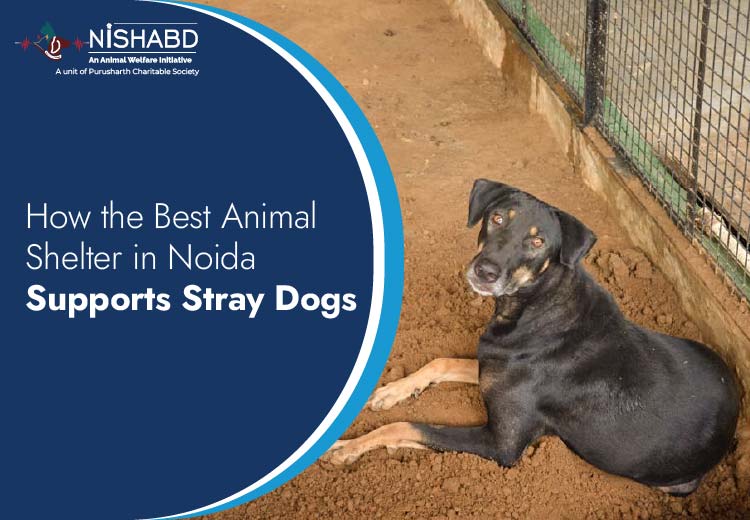
Stray animals, especially dogs, are a part of our society. Yet, their struggles often go unnoticed. They are kind, loving, and jolly animals. Many of them face hunger, deadly illnesses, and harsh weather conditions simply because they don’t have a shelter to stay in.
The best animal shelters in Noida, like Nishabd, not only offer shelter but also support by giving food, treatment, water, a place to stay and hope for a second life.
Rescue and Emergency Response
Stray dogs often suffer from road accidents, infections, or are abandoned. Shelters provide rescue services to respond to the needs of pet owners and residents. Teams of trained professionals safely rescue injured or stray dogs, and then transport the animals to veterinary hospitals or animal shelters where they receive immediate treatment. Such quick responses help in saving a lot of lives.
Medical Treatment and Preventive Care
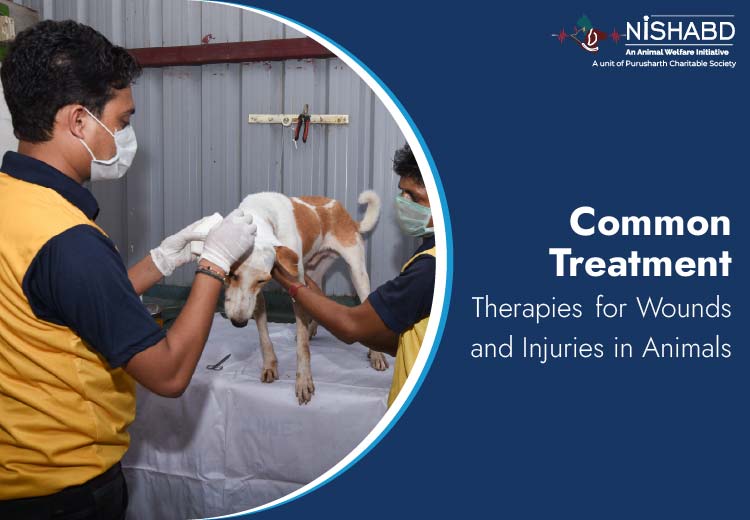
After the rescue, every dog goes through a medical examination. The vets offer treatments, vaccinations, as well as nutrition support. A proper hygiene routine, medications and monitoring ensure that animals recover completely and can regain their strength. Prevention from diseases is equally important.
Vaccination drives can help prevent diseases, while protecting animals and the entire community.
Sterilization Programs For Long Term Welfare
The best animal shelter in Noida also takes care of the reproductive health of the dogs. They make sure that the population is in control so that there are not too many puppies without a safe home. The process of neutering and sterilization helps in many ways.
Less dog populations means less sick animals, streets will be calmer, dogs and humans will live peacefully together. This helps in the overall health of dogs as well.
Daily Care | Food, Shelter, Medicines
Stray animals don’t usually get nutritious and healthy meals. They lack basic necessities. So, shelters provide:
- Regular and nutritious meals
- Hygienic and clean living areas
- Protection from changing weather
- A safe, and loving environment
Regular care allows them to recover both physically and emotionally.
Rehabilitation and Socialization
A lot of rescued dogs are those who were at one time abused or neglected. Shelters not only provide physical space but also a mental and emotional space where dogs can build their hope for life again. The volunteers and caregivers help them gain trust again.
This also prepares them for adoption and for the life after they are released.
Promoting Adoption and Responsible Pet Ownership
Animal shelters usually motivate families to adopt a dog instead of purchasing one. Adoption helps in reducing commercial breeding as well as provides these lost souls a home to stay.
Indie dogs are highly adaptable, intelligent, and well-suited to local environments. By choosing adoption, families contribute directly to animal welfare.
Nishabd | Giving Voice to Voiceless
Nishabd is known as the best animal shelter in Noida as it provides 24×7 ambulance service, shelter service, has a great team of paravets and rescues injured dogs on a daily basis.
It not only works to save the injured or ill ones but also tries to promote compassion towards these voiceless souls by organising food drives, chara drives, and vaccination drives.
They also host animal rescue workshops so that even the society is aware of how to handle an injured animal during the time of crisis.
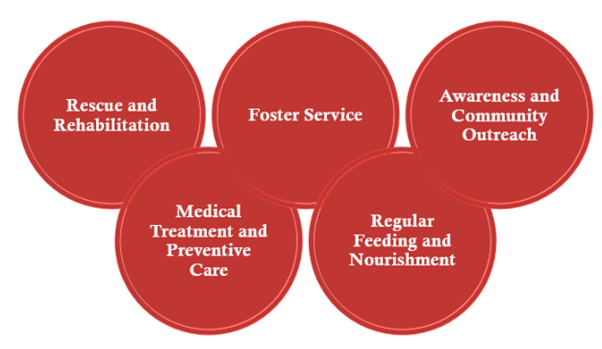
- Rescue and Rehabilitation
Nishabd actively helps neglected, injured and vulnerable animals. They ensure that they receive immediate care and a safe place to recover.
- Medical Treatment and Preventive Care
The group offers treatment, vaccinations and sterilization in order to increase the health of animals and to prevent them from suffering.
- Foster Service
It provides a foster service where kind families can give rescued dogs a safe and a loving home at least on a temporary basis till the time they find the family waiting to adopt them.
- Regular Feeding and Nourishment
It makes sure that no dog goes unnoticed or goes hungry to bed. Proper food arrangements are made and the dogs get their meals right on time.
- Awareness and Community Outreach
The team aims to educate people on the importance of kindness towards animals, and encourages ethical behavior in the community. It inspires the public to donate dog food, bread, blankets, etc. to support their mission.
The aim is to provide voice to the voiceless and create a system of compassion where every stray receives medical support, nourishment and a life they can live with dignity.
Building a Kinder Future for Stray Dogs
The best animal shelters in Noida offer more than just a temporary home to these lost souls. It is a system of support which treats animals with kindness and respect. By helping dogs in need, offering treatments, and promoting adoption, shelters offer them the chance to live a secure and healthy life.
Even the smallest support, be it in the form of volunteering, informing the shelter about the state of the injured animal, donating, or even spending time with animals can be a big help. When communities unite to support shelters, the lives of thousands of unwanted dogs can change for the better.
FAQs
- Which is the best animal shelter in Noida?
Nishabd is a trusted dog shelter in Noida that helps stray animals especially dogs. It offers medical care, rescue of injured or ill dogs, provides food and shelter to them.
- How does an animal shelter help a stray dog in need?
They help them by providing medicines, food, and a safe place to live when they are left alone, hurt, or injured.
- Why is sterilization important for street dogs?
It is important because it helps in controlling the population of dogs, preventing diseases, and keeps them healthy. It also helps in creating a balance between humans and dogs.
- What should I do if I see an injured animal on the street?
You should call animal shelter ambulance service as soon as possible. Avoid trying to rescue the injured yourself as it might not trust you and harm you in self defence.