animal ngo in noida

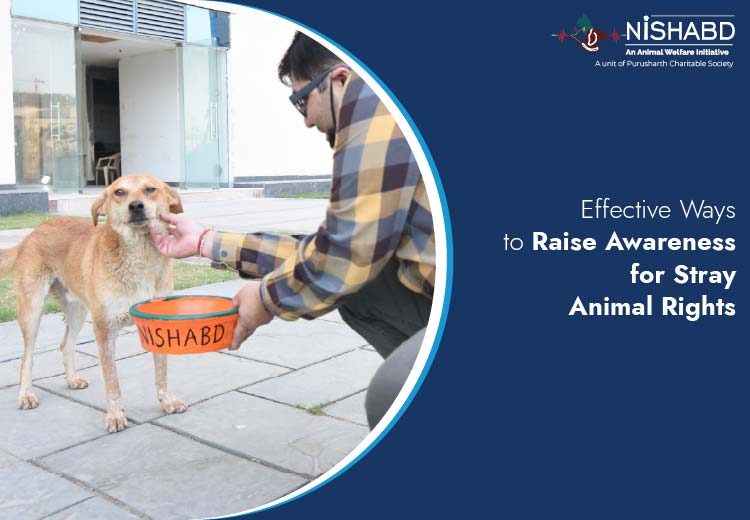
Effective Ways to Raise Awareness for Stray Animal Rights

A Little Kindness Can Change an Animal’s Life

We can see animals around us everyday. Some wait outside the shops for food, some sleep on the streets, and some simply just look around for water to drink. They can’t speak for themselves, but they also feel pain, hunger, loneliness, and fear the same way we do.

A little bit of love towards them could make a big difference. However, it isn’t enough. It is also important to know the importance of protecting stray animals.

That is why creating awareness for animal rights is so important today.

Why Stray Animals Need Protection

Stray animals face many challenges daily. They usually handle:

  • Lack of clean drinking water
  • Illnesses and injuries
  • Unsafe living conditions
  • Mistreatment and fear

A lot of people do not pay attention to them because they don’t understand their situation. This is why awareness for animal rights is essential.

What Are Animal Rights?

Animal rights are simply about taking care of animals and treating them with respect. Every animal has the right to:

  • Water and food
  • Medical and safety
  • Freedom from cruelty

Making awareness for the rights of animals can help people realize that even animals also deserve protection and compassion.

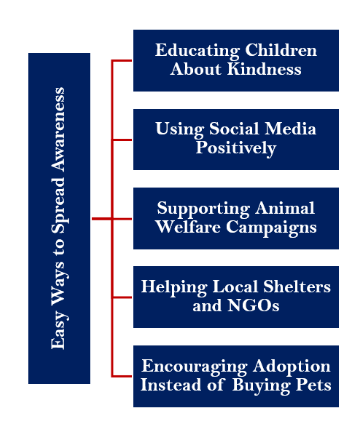
Easy Ways to Spread Awareness About Stray Animal Rights

  • Educating Children About Kindness

Children quickly learn from people who are around them. Teach them:

  • To feed animals safely
  • Talk gently to animals
  • To understand that animals also feel pain and fear

Such things will help them develop into responsible and compassionate beings. Small lessons at home or school can foster a positive approach from an early age.

Awareness for animal rights

  • Using Social Media Positively

Social media can be a very effective method of spreading information. People can:

  • Share the rescue and recovery stories of animals
  • Post adoption appeals
  • Inform people about vaccination and drives for sterilisation
  • Encourage people to aid animals that are injured

A simple post can bring people together and motivate anyone to help animals in need.

  • Supporting Animal Welfare Campaigns

Campaigns help communities understand animal care in a simple way. These campaigns spread awareness about:

  • Responsible treatment of animals
  • Importance of vaccination and sterilisation
  • Safe ways to interact with animals

They also assist in removing fears and misconceptions that a lot of people have regarding stray animals and dogs.

  • Helping Local Shelters and NGOs

Animal shelters and NGOs are working all day long to take care of homeless and injured animals. People can help by:

  • Volunteering their time
  • Giving food, medicine or blankets
  • Supporting rescue efforts
  • Promoting awareness in their area

Even a small amount of support can help shelters to continue working smoothly.

  • Encouraging Adoption Instead of Buying Pets

Many abandoned animals are loving and friendly, and they need secure shelters. Adoption:

  • Helps homeless animals live a better life
  • Reduces the number of animals on the streets 
  • Encourages responsible pet ownership

It helps people realize that all animals deserve care regardless of where they are from.

Nishabd: Supporting Animals Through Care and Awareness

Nishabd is an animal NGO in Noida and continues to work to ensure the security and wellbeing of animals that wander around. It concentrates on rescue, treatment, shelter and awareness programs that help animals and communities. They ensure that there’s no lack of proper nutrition, exercise, grooming, and veterinary care to ensure that dogs lead happy and healthy lives.

1. Humane Education Campaigns

Through its initiatives for humane education, Nishabd spreads awareness among students, teachers and communities on:

  • Giving animals a loving and caring treatment
  • Understanding the behaviour of stray animals
  • Helping injured animals in a responsible manner

The campaigns aim to help people be more compassionate and mindful of their daily actions towards animals.

2. Shelter and Recovery Support

Nishabd also provides shelter for sick, abandoned, or injured animals. It gives them:

  • Safe space to recover
  • Medical treatment and care
  • Healthy food, regular monitoring, and nutrition

Animals are taken care of with compassion and love until they are healthy enough to feel comfortable. Through these efforts, it continues to raise awareness about animal rights while also helping stray animals live safer and healthier lives.

Small Actions Create Big Change

Helping stray animals doesn’t always take a lot of work. Simple things like keeping water outside in the summer, feeding animals properly, and telling NGOs about injured animals can make a big difference. Change starts to happen when more people care.

This is the reason why organizations like Nishabd, an animal NGO in Noida, work everyday for the protection and support of stray animals.

FAQs

  • Why is awareness for animal rights important?

It helps people understand the needs of stray animals and encourages kinder and safer treatment towards them.

  • How can I help stray animals in my area?

You can feed them responsibly, provide water, support shelters, and inform NGOs if an animal is injured.

  • What does an animal NGO do?

An animal NGO rescues, treats, shelters, and supports animals while also spreading awareness in communities.

  • How does Nishabd help stray animals?

Nishabd provides rescue services, shelter support, medical care, and awareness campaigns for animal welfare.

  • Which is a trusted animal NGO in Noida?

Nishabd is a trusted animal ngo in noida working for rescue, shelter, treatment, and awareness for stray animals.

rabies vaccine for dogs

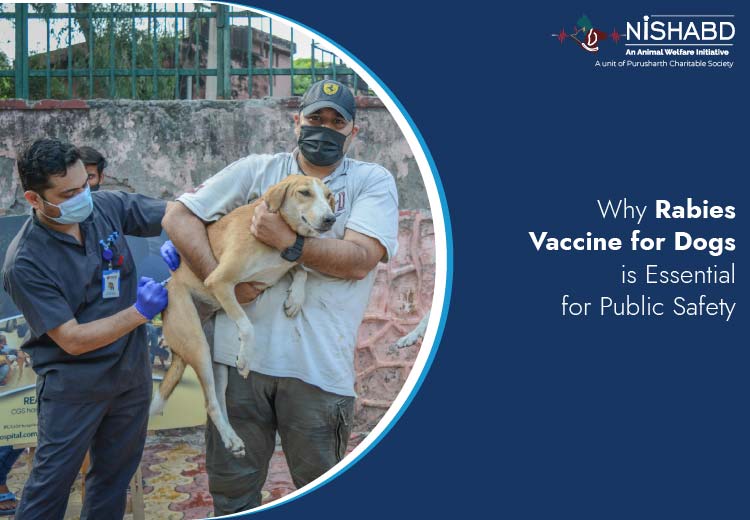
Why Rabies Vaccine for Dogs is Essential for Public Safety

A Small Act of Care That Saves Many Lives

Dogs are extremely loving and don’t demand much from you. They just want food, attention and a place in your life. They’ll give you security, loyalty and affection without any conditions in exchange. However, they could be dangerous if you don’t take proper care of them. One disease that is serious, quiet, and deadly is rabies.

That’s why it’s important for everyone in a home or community to know about the rabies vaccine for dogs.

What is Rabies and Why Should We Care? 

It is a viral disease that affects the brain and nervous system. It spreads mainly through scratches, bites, or saliva from an infected animal. If an animal or person has started showing symptoms then it’s almost impossible to cure it. This is what makes rabies a risky disease.

Dogs are the primary carriers of rabies in a variety of areas. If they’re not properly vaccinated, then the risk will spread to more than one dog. It reaches family members, people and even the whole community.

How the Rabies Vaccine for Dogs Protects Everyone

Rabies vaccine for dogs is among the most simple but effective steps we can take. It helps in building immunity in dogs so that even if they are exposed to the virus, they’ll be less likely to get any impact from it.

But the impact goes beyond the dog itself. When a dog is vaccinated:

  • It cannot spread the virus easily
  • It becomes safer for the people around
  • It lessens fear within the community
  • In short, one rabies vaccine for dogs is a protection for many lives

Public Safety Begins with Responsible Pet Care

Public safety isn’t just the responsibility of the government, it starts at home. If pet owners keep skipping the vaccinations, they are unknowingly increasing the risk for the people who are around them.

Children playing outside, those who walk along the streets or even your neighbors may be affected by a dog that is infected.

On the other hand, a vaccinated dog:

  • Is safer to be around
  • Establishes trust between humans and animals
  • Reduces anxiety and fear in the society

This is the reason why the rabies vaccine for dogs isn’t only for pets, but also for the safety of the public.

Nishabd’s Role in Fighting Rabies

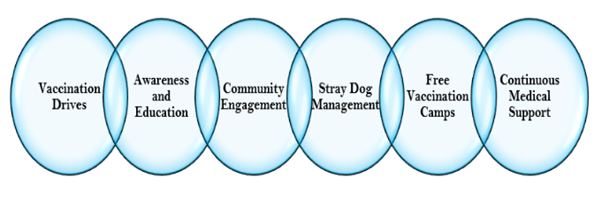
Nishabd organises vaccination campaigns, awareness programs and community outreach to end the spread of rabies.

They are focused on:

rabies vaccine for dogs

  • Vaccination Drives

Nishabd regularly vaccinates both pets and stray dogs. This builds a strong immune protection for the dog, which reduces the chance of spreading rabies from animals to humans.

  • Awareness and Education

They inform the public about:

  • Why vaccination matters
  • How can rabies spread
  • What to do in the case of a bite from a dog

This awareness allows people to make quick decisions.

  • Community Engagement

Nishabd collaborates with vets, local groups and the authorities to develop lasting solutions.

  • Stray Dog Management

They also concentrate on sterilization and control of the population that reduces the number of unvaccinated dogs and decreases the overall risk.

  • Free Vaccination Camps

Through free anti-rabies training camps, Nishabd encourages people to bring their pets as well as street dogs to get vaccinations which makes prevention accessible to all.

  • Continuous Medical Support

In addition to vaccinations, Nishabd provides treatment, shelter, and rehabilitation support for thousands of dog owners, which ensures the safety and health of dogs in the long run.

Common Mistakes People Still Make

Even today, many people believe:

  • My dog is indoors, so no vaccine needed
  • One vaccine is enough forever
  • Rabies is rare
  • Skipping or delaying booster doses
  • Have an opinion that rabies is not that common and “won’t happen to us”
  • A healthy looking dog can’t carry the virus of rabies.

These are the myths that can be dangerous. Every dog needs to receive regularly scheduled vaccinations and proper booster doses.

A Responsibility, Not Just a Choice

Dogs trust us completely. They rely on us for their safety. The protection they receive through vaccination is the least we can do. At the same time, it ensures that people are safe, reduces fear, and helps in creating a safer living space for everyone.

Vaccination is easy, but it has a big effect. It protects:

  • Your pet
  • Your family
  • Your community

Vaccinating your dog against rabies is more than just a medical step; it’s something that every pet owner and society should take seriously. A simple shot can stop a disease that kills people. Sometimes, the little things matter the most.

FAQs

1. What makes rabies so dangerous?

Because there is no cure for rabies once the symptoms show up, it is almost always deadly.

2. What are the ways that rabies spreads?

It spreads through bites, scratches, or saliva from an animal that is sick.

3. Do we really need to vaccinate stray dogs?

Yes, it is very important to stop rabies from spreading in communities.

4. What do NGOs do to help stop rabies?

They organize vaccination drives, raise awareness, and help control the number of stray dogs.

5. How often should dogs get their shots?

A vet should give dogs an initial vaccine and then booster shots as needed.

6. Is it possible to stop rabies completely?

Yes, rabies can be stopped with the right vaccinations, knowledge, and quick action.

dog sterilization

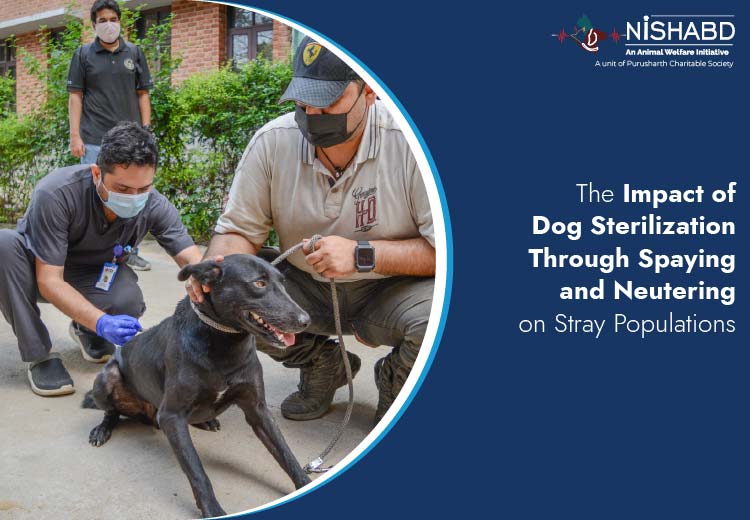
The Impact of Dog Sterilization Through Spaying and Neutering on Stray Populations

A Kinder Way to Care for Street Dogs

There are multiple stray dogs living on the streets right in front of us.

Some sleep near stores, some take the same routes, and some just sit and watch the world go by. They are an important part of our world, but their lives are full of problems, like finding food, staying safe, and making it through each day. Helping them does not always mean big actions. Sometimes, the most caring step is one that prevents future suffering.

This is where dog sterilisation becomes crucial.

What is Dog Sterilisation?

It is a simple medical procedure performed on dogs. It includes:

  • Spaying (for female canines)
  • Neutering (for male dogs)

This method prevents dogs from reproducing. It is safe, done by skilled experts, and helps in improving the overall health of the animals.

Why Sterilisation is Important

The population of street dogs increases very rapidly. This can lead to:

  • Overcrowded streets
  • Limited food resources
  • Increased risk of diseases
  • More abandoned and injured dogs

Sterilizing dogs is a responsible and compassionate way to reduce the number of unwanted strays.

How Sterilisation Helps Stray Dogs

Sterilisation brings many benefits for dogs.

1. Reduces Overpopulation

A lower number of unwanted litters means less dogs struggling on the streets. This helps in controlling the increasing number of abandoned dogs and also ensures the best care for already existing dogs.

2. Improves Health

Sterilised dogs have a lower risk of infections and certain diseases. It also reduces health issues related to repeated pregnancies in female dogs.

3. Reduces Aggressive Behaviour

Dogs tend to become calmer after sterilization. It reduces unnecessary fights, wandering during mating seasons and stress triggered by the competition.

4. Better Living Conditions

With less dogs fighting for space and food every dog will have better access to the resources. This improves the overall quality and well-being of their lives.

Nishabd | Caring for Street Dogs with Responsibility 

Nishabd protects homeless street dogs by rescuing them, giving them treatment by experienced paravets, and taking care of them while they recover. Their main goal is to promote and encourage dog sterilization through a structured program. The goal is also to control the population in a humane way, while also keeping each animal safe and healthy. Their approach includes:

  • Helping sterilization programs to limit stray population responsibly
  • Offering medical treatment and post-surgery support for recovery
  • Ensuring that the dogs are properly handled and released back on the streets after their recovery
  • Spreading awareness on the importance of sterilisation for a long-term impact

In addition, Nishabd also focuses on:

  • Helping abandoned and injured dogs
  • Giving the right treatment and care for recovery
  • Nutritious and healthy meals to the rescued animals

By combining rescue with preventive care like sterilisation, Nishabd helps create a healthier and more balanced environment for both animals and communities. 

A Humane Way to Control Stray Population

Sterilisation does not cause harm. In fact, it’s among the most responsible methods to take care of stray animals. It ensures:

  • Less unwanted births
  • Healthier dogs
  • Safer communities

Instead of ignoring the issue, it offers an effective long term solution.

What People Can Do

Everyone can play a small role. You can:

  • Support sterilisation drives
  • Informing local NGOs about it
  • Increase awareness in your community
  • Encourage responsible pet ownership

Small actions can bring out the best transformation.

Changing Lives Step by Step

When stray populations are controlled in a humane way, everything improves. Dogs live better lives. Society becomes safer. Resources are used wisely.This is the real impact of dog sterilisation, a simple step that creates long-term change.

A Thought That Matters

There is nothing wrong with street dogs. They are living beings that need care, understanding, and responsible behavior. By being kind and aware, we can make a place where they feel safe and cared for.

FAQs

1. What is dog sterilisation?

It is a medical procedure (spaying or neutering) that prevents dogs from reproducing.

2. Is sterilisation safe for street dogs?

If handled by trained experts, it’s safe and improves their overall health.

3. What is the importance of sterilisation for stray dogs?

It helps in controlling the population, ease suffering, as well as improve their health.

4. How can I help stray dogs?

Help out at an animal shelter, tell NGOs about hurt dogs, and teach people how to take care of their dogs.

5. What is the role of Nishabd in animal welfare?

Nishabd treats and rescues stray dogs, while also promoting humane practices.

Stray dog rescue

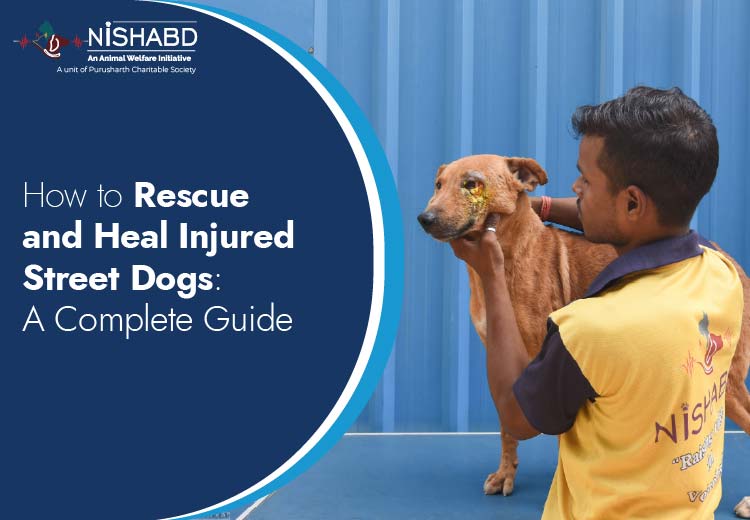
How to Rescue and Heal Injured Street Dogs: A Complete Guide

Kindness Begins When Someone Stops and Cares

On busy roads and quiet lanes, many dogs live their lives unnoticed.

They walk through traffic, search for food, and survive each day on their own. But sometimes, life becomes harder, an injury, an infection, or simply no strength left to move.

In that moment, everything depends on one thing and that is someone choosing to stop and help. Helping a stray dog may feel small, but for that one life, it means everything. That is where the journey of stray dog rescue begins with awareness, care, and timely action.

Why Stray Dogs Need Our Help

Street dogs face many problems every single day. They might be affected by:

  • Injuries caused by an accident
  • Wounds and infections
  • Weakness and hunger
  • Not enough medical care

If not helped, even minor injuries could turn into serious ones. This is why giving urgent medical care after a stray dog rescue is important. You don’t need any special skills to help a dog; you just need to be aware of the situation and willing to help.

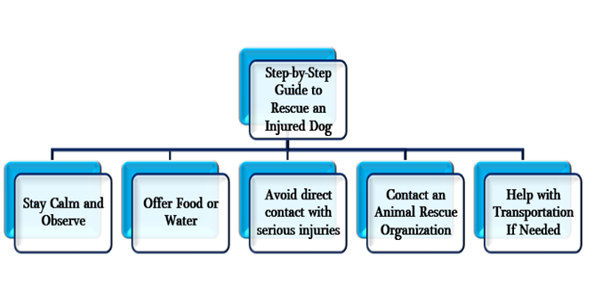
Step-by-Step Guide to Rescue an Injured Dog

stray dog rescue

  • Stay Calm and Observe

Before approaching, observe the dog from a distance.

  • Notice if the dog seems fearful or aggressive
  • Take note of the injuries
  • Move slowly to avoid panic

A calm and relaxed approach helps the dog feel more secure.

  • Offer Food or Water

If the dog allows, give them water or a small amount of food. This can be helpful:

  • In creating trust
  • In keeping the dog calm
  • In offering temporary relief

Do not ever force anything. Allow the dog to come closer to you on its own.

  • Avoid direct contact with serious injuries

When the injury seems very serious, avoid touching the area directly. Instead:

  • Keep a safe distance
  • Get professional help
  • Prevent other dogs from causing trouble for the injured one

Safety is essential for you and the dog.

  • Contact an Animal Rescue Organization

This is the most important step in a stray dog rescue. Contact the best dog shelters in Noida, like Nishabd, who has an experience in dealing with such situations. They:

  • Rescue injured dogs
  • Offer proper medical care
  • Ensure that the recovery is being done safely

Help of a professional can make a huge difference in the quality of treatment.

  • Help with Transportation If Needed

Sometimes, you might need help in taking your dog to a clinic or shelter. Use:

  • A box or cloth for support
  • Gentle handling
  • Very little movement

Always put the dog’s comfort and security first.

Healing After Rescue

Rescuing is just the first step. Healing takes time, attention and patience. At the shelters like Nishabd where dogs suffering from injuries receive:

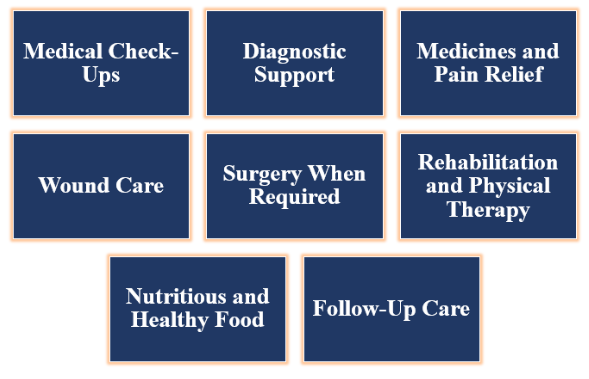
  • Medicines and medical treatment
  • Wound cleaning and infection control
  • Regularly monitored
  • Rest and safety

This is the point where the stray dog rescue process becomes complete, not just saving, but helping the dog recover fully.

How Nishabd Supports Rescue and Healing

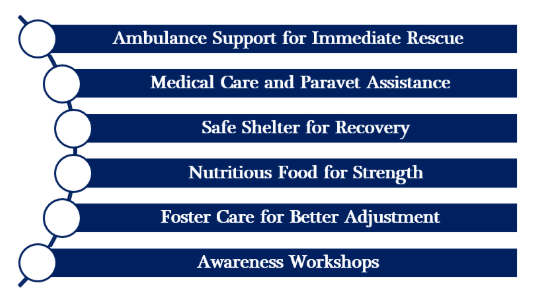
The rescue of a dog is just the beginning. Proper care after the rescue is what truly saves a  life. At Nishabd, the focus is on full support from emergency rescue to recovery.

Here’s how they can make an impact:

stray dog rescue

Nishabd offers emergency services to reach the location of injured dogs and transport the dogs to safe locations. This will ensure that help is available when it’s needed most.

They have trained paravets who can manage wounds, injuries and infections with appropriate treatment. From the basics of care to continuous monitoring, every step is carefully managed.

The injured dogs are given a clean and safe area in which they can rest and recover without any issues.

A healthy diet plays an important part in recovering. Dogs receive nutritious and balanced diet to help boost their energy levels and enhance the healing process.

Certain dogs are put in foster homes, where they are given individual attention and love, which helps them to adapt and recover faster.

  • Awareness Workshops

Nishabd also organises workshops to help people understand about the animal care, stray dog rescue and the responsibility. This helps in creating a more understanding and caring community.

Things to Keep in Mind

When you are helping a stray dog always remember:

  • Don’t panic or rush
  • Avoid sudden movements
  • You must ensure that you are safe
  • If you need help, call experts
  • Be patient and gentle

A small amount of effort can have a massive impact.

FAQs

  • What should I do if I see an injured street dog?

Stay calm, observe from a distance, and contact a rescue organization for help.

  • Is it safe to approach an injured dog?

Be careful and slow while approaching because injured dogs could be afraid or protective.

  • Who can I contact for stray dog rescue?

You can reach out to organizations such as Nishabd for the right assistance for treatment and rescue.

  • Can I treat an injured dog myself?

You can try giving the injured dog food, water, or a little shelter. But, if the dog has some serious disease or injury you might need professional medical treatment.

  • Which is the best dog shelter in Noida?

Nishabd is one of the best dog shelters in Noida, that helps stray animals especially dogs with love, care, food, and support.


Stray dog rescue

Things to Keep in Mind During a Stray Dog Rescue

Sometimes being kind starts with simply noticing that someone needs help. On busy roads and quiet corners, many dogs struggle every day to survive. Some are healthy and independent, while others might be scared, injured, or even hungry. When we see a dog in pain, we feel like helping it. But helping a stray dog needs patience, care, and the right way so that both the dog and the person stay safe.

Helping a stray dog is a very kind thing to do, but it should always be done carefully and responsibly.

Stray dog rescue1. Stay Calm and Observe the Situation

Before approaching a stray dog, it is essential to first observe its behaviour. Sometimes dogs are traumatised and might react defensively because they are frightened.

Look for the signs like:

  • Limping or any other visual injuries
  • Difficulty in walking or standing
  • Breathing issues or weakness
  • Aggressive or fearful behaviour

Understanding the condition of the dog can help you decide the best way to go ahead in the procedure of a stray dog rescue.

2. Approach Slowly and Gently

A scared dog may not trust a new person quickly. Loud sounds or fast movements can make the dog feel more scared.

While going near a stray dog:

  • Walk slowly and stay calm
  • Do not make sudden movements
  • Talk to the dog in a soft and gentle voice
  • Do not force the dog to come out if it is hiding

These small steps can help the dog feel safe and slowly start trusting you.

3. Avoid Direct Physical Contact Immediately

While our first instinct would be to comfort the injured dog, but, touching it immediately can sometimes make the situation worse. The dog might bite or scratch you out of fear.

During the stray dog rescue, it’s better to:

  • Let the dog be comfortable around you
  • Drinking food or water can help it to be calm
  • Stay at a proper distance until the professionals arrive

These steps are important for both the dog and the rescuer.

4. Contact Animal Rescue Organizations

It’s the most important thing to do. Contact professionals who have been trained to deal with such situations. Organizations for animal rescue have tools, experience and knowledge to effectively help and treat dogs that have been injured, abandoned, or are sick.

Instead of handling all the things on your own, calling a dog shelter in Noida can make sure that the animal gets proper attention and medical care as soon as possible.

5. Provide Temporary Comfort If Possible

In the meantime, while waiting for the rescue team to arrive, small acts of kindness can make a huge impact.

You can try:

  • Offer clean drinking water
  • Keep the food nearby
  • Provide a shade if a dog’s been sitting out in too much heat and sunlight
  • Keep the area calm and safe

These gestures can reduce the stress of the animal while help is on the way.

6. Ensure Safe Transportation

If there’s a need for the dog to be taken to the vet then make sure that it must be done carefully. Dogs who have been injured may feel pain more when they are moved improperly.

Professional rescuers generally make use of:

  • Animal cages or carriers
  • Protective gloves
  • Proper lifting techniques

Transporting the dog safely is an essential element in the success of rescue of stray dogs.

Nishabd | Voice for the Voiceless

Organizations like Nishabd have a mission to save and care for animals in need. Nishabd assists animals that are left alone or injured by rescuing them, providing medical attention and helping them get better.

They respond to calls for help, provide basic care and ensure that animals receive the treatment and support they need. With their kind work, Nishabd has helped many animals living on the streets.

The work done by Nishabd shows how organised and caring rescue efforts can save animals and give them a second chance to live happily.

They also spread awareness about caring for animals and encourage people to be kind and treat them with love and respect.

Compassion Makes a Difference

Helping stray animals is not about helping only a single animal. It’s about building a society that believes in compassion and accountability. Every successful stray dog rescue shows us how small gestures of compassion can change a life. When people of the community come together with the rescue groups, many animals receive the care, and the protection they deserve.

FAQs

  • What should I do if I see an injured stray dog?

Be calm, observe the dog from a distance, and call an animal rescue organization who can offer professional help.

  • Is it safe to approach an injured stray dog?

You should first observe the behaviour of the dog and then start approaching it. Walk slowly and safely while talking in a slow voice since the injured dog could be scared and might not trust you very easily.

  • Which is the best stray dog rescue organisation?

Organisations like Nishabd help dogs that are hurt or are left alone on the streets. Nishabd rescues these dogs, gives them treatment, and even takes care of them after they start recovering.

  • Why are animal rescue organisations important?

They have trained teams, doctors, and the right knowledge to rescue dogs in a safe and efficient way.

Simple Ways to Keep Stray Animals Safe This Holi

Simple Ways to Keep Stray Animals Safe This Holi

This Holi, Let’s Protect the Voiceless

Holi is bright.

Holi is colourful.

Holi is full of laughter, sweets, music, and togetherness.

For us, the Holi celebration is a day of pure joy. We wait for it. We plan for it. We buy colours, prepare gujiya, call friends, and get ready to click happy pictures.

But while we celebrate, there are many silent lives around us who feel scared instead of happy.

    • Stray dogs hiding under cars
    • Little cats shaking behind the walls
    • Cows confused by loud noises
    • Birds flying away because of fear

They do not understand festivals. They only understand safety and danger. And sadly, for many of them, the Holi celebration feels like danger.

This year, let us celebrate with more kindness and more compassion.

Why Holi Can Be Difficult for Stray Animals

Street animals like dogs, cats, and birds do not understand festivals. For them, Holi feels like a danger instead of fun. They don’t understand why people are throwing colours, playing loud music, or running here and there. 

They could face:

    • Harmful chemicals on their body can cause irritation in their eyes or skin
    • Very loud music and sound makes them fearful 
    • Water filled balloons can also cause them injury
    • Trouble finding clean water and food
    • People running behind them to apply colour

Such things can cause fear, skin infections, injuries, and even long term health problems. This is why our holi celebration should be gentle and kind especially towards animals.

Choose Natural Colours

Many holi colours have hazardous chemicals that are harmful to animals. If they come in contact with them it can make their skin itchy for days, and can infect their eyes. 

Instead:

    • Use herbal and natural colours made from flowers
    • Don’t throw colours near animals
    • Even as a joke, never throw colours on animals

Animals clean their body by licking their fur and if there’s colour on their fur, it can enter their body and make them sick. 

Keep Water Bowls Around Your Area

During Holi, animals struggle for clean food and water. All of the places are usually crowded or messy. 

You can help by:

    • Keeping fresh water bowls outside your home
    • Giving them space in your parking, around safe and quiet corners, 
    • Refill the bowl when it becomes empty

Such a small act can help animals feel safe and not feel thirsty during Holi celebration.

Do Not Burst Balloons Near Animals

Water balloons may seem fun, but they can seriously hurt animals. A balloon thrown at them can cause injury or make them extremely scared.

Instead:

Play responsibly with friends

    • Avoid throwing balloons in streets where animals rest
    • Teach children to respect animals during festivals
    • A gentle holi celebration is always better than a harmful one

Feed Them Before You Celebrate

Animals might feel less anxious when they are fed. If it’s possible, try to feed strays when you go out to celebrate. 

You can give:

    • Plain roti or rice
    • Simple dog or cat food
    • Clean and fresh water

When they are hungry they keep looking for food in crowded places. If you feed them, they will feel full and can rest in one safe place till the time the festival is over. 

Create Safe Spaces for Them

Stray animals try to hide to stay safe from loud noise and colours. You can help them feel protected. 

Try to:

    • Keep the gates of your house open to let them rest inside
    • Don’t let others disturb the animals 
    • Request neighbours to avoid throwing colours on them

A little care and generosity can make them feel safe and secure. 

The True Meaning of the Festival


Holi is not just about colours.

It is about love.

It is about forgiveness.

It is about spreading happiness.

Don’t let our Holi celebration spread fear instead of happiness for all. If it’s doing so, then pause and think about the actions. Festivals should be happening even for the ones who cannot speak for themselves. 

This year, let the colors bring joy to hearts and minds, and not cause harm on streets.

Also read: The Importance of Understanding Animal Abuse Laws

FAQs

  • Are natural or herbal colours safe for stray animals?

Even herbal colours can irritate their skin and eyes. It is always better not to apply any colour on animals. They may still cause allergies or discomfort, so avoiding colours completely is the safest option.

  • Why do animals hide during Holi?

They feel scared because of loud sounds, shouting, and sudden splashes of water. Hiding makes them feel safe. It is their way of protecting themselves from things they do not understand.

  • Can loud music really affect animals?

Yes. Animals have sensitive hearing. Loud noise can cause stress and anxiety.

Continuous loud sound can even disturb their normal behaviour for many hours.

  • What food can I safely give to stray dogs during Holi?

You can offer roti, rice, or dog food (if you have it or can arrange it). Don’t give them spicy or oily food as it is unhealthy for them.

  • What should I do if I see someone hurting an animal during Holi?

Stay calm and politely tell them it can hurt the animal. If needed, call an animal help group. Speaking kindly and respectfully can stop the animal from getting harmed further.

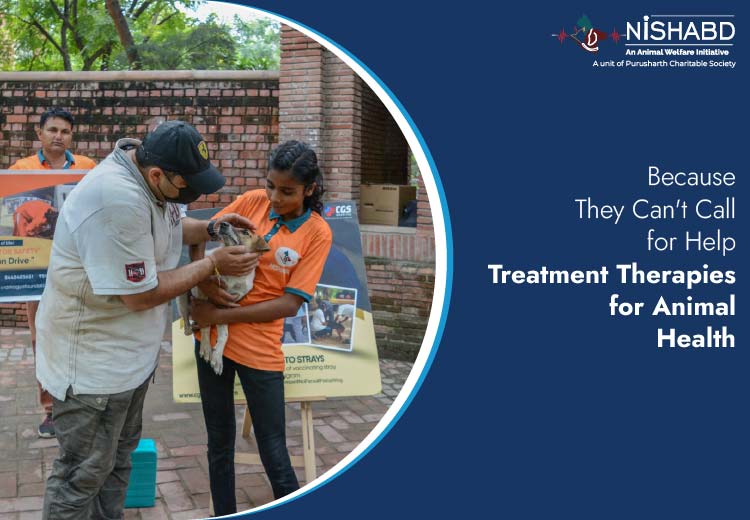
Treatment Therapies for Animal Health

Common Treatment Therapies for Wounds and Injuries in Animals

Animals, particularly stray and those who have been rescued, usually suffer from injuries, cuts and illnesses. These can happen due to road accidents, fights with other animals, sharp objects, infections, diseases, or neglect. When animals are injured or hurt, timely and proper treatment is essential. With the right care, pain can be reduced, healing becomes faster, and lives can be saved.

In this blog, we discuss the common treatment therapies for wounds, and illnesses for animals and also how organizations such as Nishabd each day provide treatment, care, and healing to animals who are in need.

Why Proper Treatment Is Important for Injured and Sick Animals

Animals can’t tell us if they’re in pain or discomfort. Even minor wounds or the earliest signs of illness could become serious if not taken care of. Fever, infections, weakness and swelling can develop quickly.

Proper treatment is helpful in:

  • Reducing pain and suffering
  • Preventing infections and complications
  • Speeding up recovery
  • Saving the animal’s life

This is why treatment therapies for animal health play a very important role in animal welfare. 

Cleaning, Dressing, and Infection Control

For open wounds, cuts, bite injuries, and accidents, the first step is proper cleaning. This includes:

  • Removal of pus, dirt or maggots
  • Cleaning the wound with antiseptic products
  • Trimming of hair around the wound

This kind of treatment is typically used for wounds with infections or maggot wounds and injuries from accidents. After cleansing the wounds, they are then dressed and bandaged regularly to stop infection and promote safe healing.

Medicines, Antibiotics, and Supportive Care

Many injuries and illnesses require treatments to be healed properly. These treatments are commonly used in skin infections, parvo virus, distemper, kennel cough, and infected wounds.

Medicines include:

  • Antibiotics to fight infections
  • Pain relief medications to reduce the discomfort
  • Anti-inflammatory medications to decrease swelling
  • Fluids for dehydration in viral illnesses

The medicines are given with veterinary advice to ensure safety and a proper recovery.

Stitching and Surgical Treatment

Intense wounds, torn skin or heavy bleeding may need stitches or surgery. This treatment is used in cases such as:

  • Large accident wounds
  • Deep bite wounds
  • Tissue damage 
  • Internal injuries and fractures

Veterinarians carefully perform stitching or surgery and offer post-operative care that includes medicines and rest to aid in the proper healing.

Bandaging, Collars, and Protective Care

Bandaging is a vital component of treating burns, injuries and fractures. Bandages help to:

  • Cleanse wounds
  • Stop animals from scratching or licking
  • Be sure to protect it from dirt and flies

Protective collars are frequently employed in post-surgery conditions, skin allergies as well as wounds that are infected to protect against further injuries.

Treatment for Burns, Fractures, and Weakness

Animals may also suffer from burns, broken bones, or extreme weakness. For burns:

  • Cooling the area affected
  • Applying burn Ointments
  • Regular sterile dressing

For fractures:

  • X-rays to assess damage
  • Splints or surgery
  • Long rest and limited movement

Malnourished or weak animals are provided with nutritional support, vitamins and fluids to help them regain their strength.

Nutrition, Rest, and Recovery Monitoring

Healing isn’t only about medications. Water, food and rest are equally important. Good nutrition helps:

  • Improve immunity
  • Repair damaged tissues
  • Support faster healing

Animals recovering from illness or injury are kept under observation with regular follow-ups, dressing changes, and emotional care. 

Role of Nishabd in Animal Treatment and Care

It works tirelessly to rescue and treat injured, sick, and abandoned animals. The organisation is supported by trained paravets and paravet professionals who provide timely first aid, wound care, and medical support. From treating accidents, burns, fractures and skin infections, to tackling serious diseases like distemper, parvo, or respiratory diseases, it ensures animals receive proper medical attention at the right moment. 

By following proper treatment therapies for animal health, Nishabd also provides nutrition, shelter, and recovery support, helping animals heal with dignity and compassion.

How People Can Help Injured or Sick Animals

You don’t need to be a doctor to help animals in need. You can:

  • Report injured or sick animals to NGOs
  • Avoid ignoring animals showing pain or weakness
  • Support animal welfare organisations
  • Spread awareness about kindness towards animals
  • Small actions can truly save lives.

Final Thoughts

Injuries, wounds and illnesses in animals require immediate attention and care. If you use the correct treatment methods with patience and compassion, animals can heal and lead healthy lives once more. Treatment therapies for animal health are not just actions of medicine, they are acts of kindness.

Organizations such as Nishabd are a reminder that all animals deserve safety, care and respect, exactly like human beings.

FAQs

  • What should I do if I see an injured animal?

You should immediately inform a local animal NGO or a veterinary doctor for help.

  • Can small wounds of animals heal on their own?

Some minor wounds may heal, but without cleaning, they can easily get infected.

  • Is bandaging always necessary for animals?

Bandaging helps protect wounds, but it depends on the type and location of injury.

  • How long does wound healing take in animals?

Healing time depends on the injury, treatment, and overall health of the animal.

Winter care tips for street animals

Winter care tips for street animals Simple ways to provide comfort

Winter is a magical season for us. We wear warm clothes, sip hot drinks, and enjoy cozy nights. But for street animals, winter is a very tough time. Cats, dogs and the other animals who live on the streets feel cold, get hungry, and can fall sick. As compassionate humans, we can make them survive the winter season in an easier way. Knowing how to help stray animals in winter can save lives and give them comfort.

Why Street Animals Need Winter Care

Street animals don’t have homes. They face cold winds, rain, and frost. Puppies, old dogs, and sick animals are at the most risk. They could become weak or ill if they’re not treated. If we can help them in small ways we can make an impact.

Read: How can you keep your dogs warm during winters?

Winter Season Safety Tips for Stray Animals

Here are some simple winter season safety tips you can follow:

    • Give Warm Shelters
      Animals need an area that is dry and safe to rest. Make use of cardboard boxes, old blankets, as well as wooden boxes. Place the shelter on the ground and then cover it with a blanket. Even a small warm shelter can protect them from the cold. Set the shelter in a quiet corner to ensure they feel safe and aren’t scared by too much noise.
    • Provide Food and Water
      The cold weather can make animals hungry quicker. Feed them healthy and warm foods such as rice, cooked vegetables or even leftover meat scraps. Always check their water so it isn’t too cold. Warm water is much better than cold in winters. Consider giving smaller meals frequently, since it will help them stay active and warm.
    • Use Blankets and Old Clothes
      Extra blankets, towels or even old clothes can help ensure that animals are warm. Wrap small dogs or puppies gently, or place blankets inside their shelters. This makes them feel secure and warm. You can also layer several blankets to provide warmth in very cold winter nighttime.
    • Keep Them Dry
      Wet animals feel the cold more. Be sure that the shelter is dry. If it rains, give them a towel or a temporary cover. This is one of the most important winter safety tips for dogs. Be sure to visit the shelter on a regular basis to remove wet bedding and change it with dry, clean bedding.
    • Look for Health Problems
      The cold weather can trigger cough and cold. If you notice an animal suffering from injury or illness seek out a veterinarian or a local animal rescue organization. The sooner you act, the better. Be aware of their behaviour; shivering, or hiding could be a sign that they’re too cold or sick.
    • Be Gentle
      Street animals can be scared of humans. Approach slowly and calmly. Let them feel safe. Kindness and patience make them trust you. Don’t force them, give them time until they feel comfortable with you.

Winter Safety Tips for Dogs and Other Pets

Even when you have pets in your house, winter treatment is essential. A few simple tips include:

    • Keep pets indoors during very cold days
    • Make sure they have warm blankets and pillows
    • Avoid walking them for too long outside
    • Provide warm water, high-energy food and drinks

This winter safety tips for dogs can be applied to street animals. Understanding their needs can help them in surviving the winter cold.

How to Help Stray Animals in Winter

Many people are eager to be a part of helping others but aren’t sure how to. Here are a few easy methods to be a positive influence:

    • Volunteer or donate to local animal welfare organizations
    • Small shelters can be built in open areas
    • Keep food and water stations in your neighborhood
    • Spread awareness about winter care for animals

Every effort is important. Just one blanket, a warm meal, or dry shelter could help save a life. Following these suggestions on how to help stray animals in winter can make the cold months more bearable for them.

Communities can also come together to make sure no animal suffers in winter. Simple acts of kindness make a big difference. 

Final Thoughts

By following these winter season safety tips and small steps, we can make winter safer and warmer for street animals. Learning how to help stray animals in winter is easy. Even small acts of love and care can save lives and make the cold months better for them.

FAQs

Q1. Can we give milk to street dogs in winter?
Too much milk can upset their stomach. Warm water or cooked food is better.

Q2. How often should I check water bowls kept outside for dogs?
Check at least once or twice a day. Make sure the water is not frozen.

Q3. Can cats survive winter on the streets?
Some cats manage, but kittens and old cats struggle. Food and shelter help them survive.

Q4. How can children help street animals during winter?
Children can fill water bowls, give food, or help make blankets. It teaches kindness and care.

How to Use a Dog Training Collar Correctly

How to Use a Dog Training Collar Correctly: Step-by-Step Instructions

The training of a dog requires patience, time, dedication, and consistency. Many pet owners use a collar for dogs to control their behavior and to communicate. It is crucial to use the collar in the right way. If it is used properly, it can aid your dog in learning faster. However, If used incorrectly, it can create confusion or even scare you and your dog.

This blog will guide you on how to train dogs with a collar for training that doesn’t cause injuries or stress.

Also Read: Are You Tying Your Dog for Too Long Without Realizing It? 

Types of Dogs Training Collars

There are a variety of collars for dogs, and each one functions differently. Before you choose a collar, it is important to be aware of its function and check if it is a good fit for the dog’s size, shape, and degree of satisfaction. The collar must be worn in a manner that is gentle and respectful.

Here are some common types:

    • Prong Collar
      How it works:
      A prong collar consists of small, round metal links, which are positioned in the collars of dogs. If the dog pulls, it puts pressure on them to remind them to slow down.
      Purpose:
      It is often used to describe powerful and large dogs who pull a lot during walks.
      Important Note:
      The collar has to be handled with care and only under the supervision of a dog expert who has been trained. If you don’t use it correctly, it can create discomfort or anxiety. If you’re not sure whether you are using the correct method, it is better to choose a more gentle option.
    • E-Collar (Electronic Collar)
      How it works:
      A collar with an electronic chip sends a subtle and gentle signal (like a small tap or buzz) to get your dog’s attention.
      Purpose:
      It can be used to provide off-leash training, or to correct behavior such as excessive barking or jumping.
      Important Note:
      This collar is best used by an experienced trainer. If you use it improperly, it can lead to anxiety or even confusion for your dog. The goal should never be to scare your pet.
    • Vibration Collar
      How it works:
      This collar will give gentle vibration when the dog is required to be attentive.
      Purpose:
      It is frequently used in basic obedience training particularly to train commands like “come,” “sit,” or “stop.”
      Important Note:
      It is generally an option for gentle dogs. But, it’s essential to match the sound with positive rewards such as treats and praise, so that your dog learns happily.
    • Citronella Collar
      How it works:
      The collar sprays a light mist (a scent that many dogs dislike) when your dog is barking excessively.
      Purpose:
      It is used primarily to reduce barking.
      Important Note:
      Some dogs react well to this, whereas others won’t react to it at all. Be aware of your dog’s behavior to make sure they’re not unhappy or stressed.

Source: toledodogtrainers .com

Important Reminder

No matter which collar for dogs you choose:

    • Training should always be gentle.
    • Your dog must feel secure and be understood.
    • Use positive reinforcement (praise, treats, affection)
    • If your dog is nervous or confused then stop and try a gentler approach.

The key to understanding how to train dogs is love, patience and commitment – not forcibly.

Step-by-Step Guide to Using a Dogs Training Collar

Step 1: Choose the Right Collar for Dogs

Choose an appropriate collar for your needs.

    • It should neither be too loose, nor too tight.
    • You should be able to slip two fingers between the collar and your dog’s neck.
    • Check your dog’s fur and skin regularly to avoid irritation.

Choosing the correct size is the first step in how to train dogs safely.

Step 2: Introduce the Collar Slowly

Before starting your training, allow your dog to become comfortable wearing the collar.

    • You can put it on for short periods at home.
    • Allow your dog to walk around freely.
    • Reward with treats and praise.

If your dog is comfortable it is much easier to train him.

Step 3: Teach Basic Commands First

A dog collar works best when combined with the use of a voice command. Start with simple commands:

    • Sit
    • Stay
    • Come
    • Stop

Give your dog the command and gently guide it with the collar. Praise when your dog follows through. This will help build confidence and trust. This is one of the most fundamental lessons in how to train dogs.

Step 4: Use a Light and Gentle Hand

Training should never be a struggle of pulling or juggling the collar. 

    • Use soft, short movements.
    • Give clear voice commands.
    • Always reward good behaviour.

Your dog should feel guided, not pressured.

Step 5: Keep Training Sessions Short

Dogs learn the best when lessons are short and fun.

    • Train for around 10 to 15 minutes at once.
    • Do it regularly or at least every two days.
    • End training with praise, treats, or playtime.

Short lessons will keep your dog entertained and eager to learn.

Step 6: Be Consistent

Using the collar for dogs is effective if you are consistent in your training.

Use the same:

    • Words
    • Tone
    • Hand movement

This can help your dog understand what you’re trying to communicate and reduce confusion. Consistency is at the core of how to train dogs effectively.

Signs Your Dog is Comfortable

Your dog is well-trained when they:

    • Wag their tail
    • Look relaxed
    • Respond when asked
    • Display interest and curiosity

If your dog looks worried or anxious, take a short break.

Conclusion

Using a collar for dogs correctly can make training simpler and clearer. It can also make training more comfortable for you and your dog. Remember, that the key in how to train dogs is the love and patience that you bring to each training session. When your training feels secure and enjoyable your dog will learn with confidence and with joy.

FAQs

Q1. When should I start teaching my dog to wear the collar? 

You can start with your dog when it is between eight to twelve weeks of age. Begin slowly and let the dog adjust to the collar gradually.

Q2. How long does it take for a dog to learn commands?

Every dog learns in a different way. If you practice it regularly and are patient the majority of dogs learn basic commands within 2 to 4 weeks.

Q3. Can I train my pet without a collar?

Yes. You can also use treats, hand signals, and your voice to train. The collar is just one helpful tool, not the only way.

Rescuing Luna: How a Stray Dog Found Hope

Rescuing Luna: How a Stray Dog Found Hope and Care at Nishabd

Stray animals live a life full of fear, hunger and injuries. They walk on the streets silently, carrying pain that most people fail to notice. Sometimes, a moment of kindness can change everything. This is the story of Luna, a gentle 6-year-old stray dog who finally found care, love, and healing.

Luna’s Condition When She Was Found

Luna lived on the streets in Ghaziabad. She had a serious front leg wound, and because of the pain, she could barely walk. Many people saw her, but everyone kept passing by. Such pain is common in all the animals who walk on the streets. They have to suffer in silence and this is where an NGO for the voiceless comes into place – Nishabd.

Shail, rescuer of Luna, noticed her struggling. He chose compassion instead of running away. He realized that helping is not only an act of kindness, but also a responsibility. He began to search for safe ways to rescue the stray. He gained her trust with patience, gentle words and slow movements. He then contacted Nishabd – a well-known NGO that helps voiceless animals.

Luna was admitted for treatment at Nishabd. Her wound required long-term medical care, including antibiotic injections and ASD dressings. It was not only a physical journey, but also an emotional one.

The Journey of Healing

Luna was scared initially. She didn’t know where she was, or why. Her past had taught her to be alert and defensive. Slowly, she began to realize that this place was very different. The volunteers spoke quietly. They approached calmly. They allowed her to rest. They allowed her to breathe again.

Animal rescue is not only about treating animals, but also about rebuilding trust.

Every day, Luna received:

    • Medicines on time
    • Clean dressing for her wound
    • Nutritious food
    • A safe space to sleep

Her body began to heal little by little. The real change was in her eyes. Fear slowly faded. Her tail started to wag once more. She knew she was now safe.

It is important to know how to rescue a stray dog. One thoughtful act can save a dog’s life.

Why Animal Rescue Matters

Strays are not wild animals. They are the animals that were once part of a human environment. They are just like your pets at home. They continue to suffer when we ignore them. When we care about others, healing begins and hope returns.

Animal rescue is more than just medical work. It’s about love, patience and understanding. You become a voice of the voiceless when you help.

Nishabd – The Best Dog Shelter in Noida

Nishabd stands as one of the best dog shelter in Noida, and not just because it’s large or well-known, but also because it acts with the heart. This NGO focuses on providing dignity to voiceless animals.

What makes Nishabd unique:

They respond immediately when a dog is in distress.

    • Paravets are available to provide medical care.
    • They ensure clean and safe sheltering for recovery.
    • They show people how to responsibly rescue a stray animal.
    • The work is done with transparency and compassion.

Nishabd, for dogs like Luna, is more than just a shelter. It is a second shot at life.

How You Can Help Stray Dogs Too

Here are some simple steps to follow if you see a dog in pain and want to learn how to rescue a stray dog:

    • Approach slowly. Do not scare the animal.
    • Build trust by offering food with patience.
    • Don’t force the dog to come closer. Allow the dog to come closer when it feels comfortable enough.
    • Call a local NGO for voiceless animals or the best shelter for dogs in Noida.
    • Stay around the dog until help arrives.
    • You can save a life with some small steps.

Conclusion

Luna’s story shows us how powerful compassion can be. One act of kindness changed her life. Nishabd was a place where she found love, care, and treatment. It continues to be a hope for stray animals in pain.

There are countless Lunas on the streets. All they need is someone to care. Maybe that someone can be you.

FAQs

Q1. What should I do if I find an injured stray dog?

Stay calm, go slowly, offer some food or water, and call an animal rescue team or an NGO for voiceless in your area.

Q2. How do I know which shelter to contact?

Look for the best dog shelter in Noida or nearby that gives proper medical care and has a good, honest rescue record.

Q3. Can I volunteer in animal rescue work?

Yes. Most shelters welcome volunteers. Even small help like feeding, cleaning, or spending time with dogs is valuable.

Q4. Does rescuing a stray dog need legal permission?

No. Helping, treating, and rescuing a stray dog is allowed and encouraged.