Have you ever noticed a stray animal and wondered who helps it? Dogs and cats are everywhere, but we rarely wonder what happens after someone rescues them.
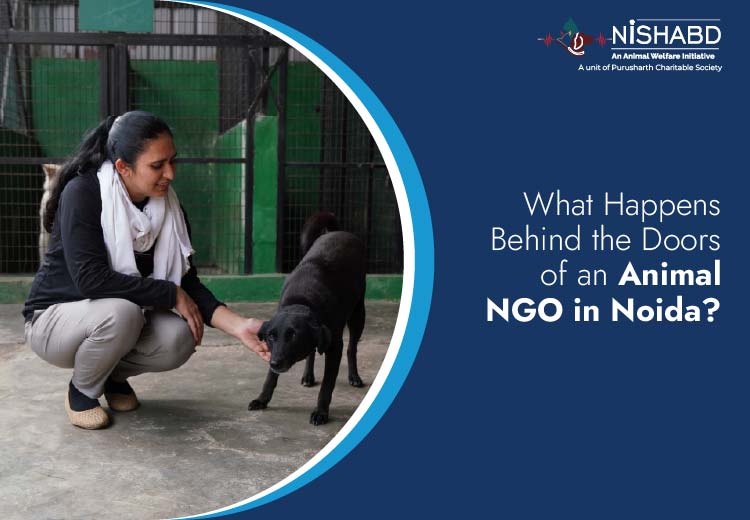
A lot goes on behind the doors of an animal NGO in Noida. Besides providing food and shelter, they ensure the treatment and recovery of distressed animals and help spread awareness. What does a regular day look like for an animal NGO? Let’s find out what happens behind the doors of places where the voiceless are taken care of.
What does an Animal NGO in Noida do?
An animal NGO is a non-governmental organisation that helps, protects and supports street animals. It provides aid to injured, sick, abandoned and helpless animals. Some major activities include:
-
- Rescue of distressed street animals
- Arranging for veterinary treatment and medical aid
- Provision of food and water
- Temporary shelter
- Help and support animal’s recovery
- Conducting awareness programmes for animal welfare
- Promoting responsible pet ownership
- Supporting communities to treat street animals in a humane manner
Not all animal NGOs provide all the aforementioned services, as some NGOs majorly focus on animal rescue and treatment services, while others support animal care through sterilisation and vaccination.
1. Animal Rescue: Answering the Calls
Each day, an animal NGO receives multiple calls about various injured, abandoned or distressed animals. Making the rescue calls is often the most stressful part for the individuals making the calls.
Rescuing an animal, however, is not as simple as picking it up and taking it to a shelter. The situation has to be analyzed, for example:
-
- Is the animal injured, or is it just taking a break?
- Does it need immediate medical attention?
- Is it scared and acting defensively?
If an animal is injured, it is generally safest to contact a veterinarian to perform the rescue, as an injured animal may act unpredictably. The key to a successful animal rescue is, oftentimes, not who is the first to respond, but the person who takes the time to assess the situation properly.
2. Veterinary Care
After an animal is rescued, it is then evaluated by a veterinarian for any injuries or illnesses. Based on the vet’s evaluation, treatment is then decided and determined. Treatment may include:
-
- Wound and/or infection care
- Preventative care, such as vaccinations
- Control and prevention of parasites
- Sterilization
- Follow-up care
Because of the resources an NGO has available, not all treatment is the same. Some animals respond quickly to treatment and are restored to good health in a matter of days, while other animals may take weeks to improve. Because of this, the work of an animal welfare NGO is very much needed. Rescuing an animal is only the beginning. The rest of the work, including following up and providing long-term care, truly provides animals a second chance and an opportunity to recover and thrive.
3. Feeding and Daily Care
Pets require more than just food and water. Care requires planned scheduling for each pet’s needs. Feeding is the primary care concern of employees in a care facility. Different animals require different meals based on their age, health and condition.
| Animal’s condition | Care needed |
| Healthy Adult Dog | Regular meals, fresh water |
| Young Puppy | Age-appropriate food, frequent meals |
| Sick Animal | Diet prescribed by vet, medicines |
| Recovering Animal | Food, rest, health monitored |
In addition to feeding, caregivers must clean the facility and ensure proper resting space for each animal. Daily tasks help detect possible health problems, discomfort and injury.
4. Rehabilitation: Helping Animals Recover
After an animal is rescued, it can’t always be returned to its natural habitat immediately, especially if it is ill, injured or weak, or has fear-based issues. In such cases, rehabilitation helps the animal rebuild its health and/or adjust to the presence of people. It may include:
-
- A quiet space to recover
- Following the vet’s prescribed treatment
- Eating and drinking
- Getting proper rest
- Trust-building with a caregiver
- Finding out if the animal is ready to take the next step
NGOs like Nishabd by Ramagya are helping to make a positive difference in the lives of street animals by creating animal welfare and community engagement programs. Their programs demonstrate that animals, once rescued, also need to be cared for responsibly.
5. Spay/Neuter and Immunization Programs
There are also positive welfare initiatives for street animals that include preventative programs. It is important to sterilize and vaccinate animals to maintain the positive health status of the animal and to assist in humane management of the street dog population.
It is important to carry out female sterilization to control the dog population, as well as to help mitigate certain reproductive health risks.
Immunizing animals against diseases protects the health and well-being of the animal and the community. It is especially important to vaccinate animals against rabies to protect the public and other animals from the serious, and in most cases, preventable disease.
A trustworthy NGO in your area might be the entity responsible for these activities or work in conjunction with an authorized veterinary team and Local Body Officers.
6. Creating Awareness About Animal Welfare
As you walk on the streets, have you noticed the different kinds of responses people have towards street dogs? Some people regularly feed street dogs while others get scared or uncomfortable with their presence. One of the major reasons for this behavioral difference towards street dogs is lack of awareness about proper animal behavior and safety. That’s why many NGOs have education and awareness programs on topics like:
-
- How to behave safely with street dogs
- Why is it important to give animals clean drinking water
- Importance of vaccination and spay/ neuter
- What to do if you see an animal that is injured
- Importance of responsible pet ownership
- Why is it wrong to abandon pets
In order to better the situation for the street dogs of Noida, we cannot solely rely on the rescue organizations. We also have to see how the community of Noida, interacts with all animals. Responsible community members who are aware of proper animal behavior lead to less conflicts and better treatment towards animals.
Also Read – How the Best Animal Shelter in Noida Provide Medical Treatment and Long-Term Support
7. The Role of Volunteers
The workload of a permanent staff member in an animal NGO is enormous. Therefore, animal NGOs always welcome and appreciate the work of their volunteers. The kind of work volunteers are asked to do depends on the current need of the animal NGO. It can range from,
-
- Preparation and distribution of food for animals
- Cleaning and maintenance of animal care area
- Assisting with awareness programs
- Supporting in organizing donation drives
- Assisting with admin work
- Rescuing and adopting animals
- Organizing welfare programs for animals
However, volunteers should understand that they can’t assist with every task, like for instance handling an injured or frightened animal. Handling an injured animal should be left to the trained members only. However, volunteering is not only about spending time with animals, it is also about maintaining rules and disciplines. Student volunteers can be supervised by the staff member of an animal NGO, to help them build empathy and social responsibility.
What Challenges Do Animal NGOs Face?
Running an animal welfare organization is difficult. Some of the challenges include:
Not enough money: Medical treatment and food for the animals is expensive. Transport and shelter costs money to maintain.
More rescue requests: There are more requests than the staff can manage at one time.
Awareness: People are not always educated about street animals. This causes resistance when trying to work with the community.
Long recovery time: Some animals require long term treatment and rehabilitation.
Space: There is only a certain amount of animals that a facility can manage and still keep the space clean and the animals safe.
This is where community participation comes in. It doesn’t take a lot to help. Support verified feeding programs and get involved with correct information to help them continue their work.
How Can You Support an Animal NGO in Noida?
You don’t have to be a full time volunteer to help. You can:
Make donations: Support with money or supplies approved by the organization.
Volunteer: Help out at organized events by the animal welfare groups.
Raise awareness: Tell people about caring for animals and getting your pets vaccinated and spayed/neutered.
Report injured animals: Have trained personnel help the animal instead of trying to do it yourself.
Help with responsible ownership: Make people aware of the responsibilities of being a pet owner.
You can easily help responsible care for animals in the Noida area by donating and helping with their outreach efforts.
Conclusion
There are many aspects of animal rescue that the public doesn’t see. Animals need round the clock care. From treatment to daily feeds, and from rehabilitation to awareness and prevention. The tasks are endless.
An animal NGO in Noida does a lot more than provide temporary shelter. It provides a means to help animals in need to improve their health, safety and wellbeing. Programs like Nishabd by Ramagya illustrate the need for care and compassion.
Promoting and supporting animal welfare in Noida would help establish a community that provides a safe environment for humans and animals. Improving the condition of animals is not just about responding to the situations where animals are in a crisis. It is also about creating an environment that benefits them in their day-to-day lives.
Frequently Asked Questions (FAQs)
- What services does an animal NGO in Noida provide?
It provides (and sometimes collaborates for) services such as animal rescue, veterinary treatment and rehabilitation, awareness, vaccination and sterilization drives. Services vary from one NGO to another. - What should I do if I see an injured street dog in Noida?
Inform an animal welfare organization, vet clinic or municipal animal welfare service about the location of the animal, its appearance, and if there is any danger to the public. Don’t try to capture an injured animal yourself. - Is it possible for me to volunteer at an animal welfare organization in Noida?
Yes. Many NGOs encourage volunteers for various activities like conducting awareness campaigns, donation drives, and feeding/admin support. Contact the organization to learn about their requirements, available roles and other details. - Why is it important to sterilize and vaccinate street dogs?
It helps in controlling the street dog population and also helps in preventing rabies and other infectious diseases. Both are vital elements of animal welfare. - What can students do to promote animal welfare?
Students can participate in supervised awareness campaigns, organize donation drives at their school, learn to care for animals the right way and to be kind to animals. Always ask an adult before getting involved in any animal rescue.